
Energy pouches
PurCaf vs Synthetic Caffeine in Pouches
By Nate · Founder, FlowBlend
You saw PurCaf on a can, or you saw synthetic caffeine in a search. Same question either way: is that a different kind of caffeine, or just a different source? It is the same molecule. A pouch that prints PurCaf is telling you where it came from. A pouch that just says caffeine usually did not name the source.
Key takeaways
Key Takeaways
- PurCaf and synthetic caffeine are the same molecule. One is taken from green coffee beans. The other is made in a lab. Both block adenosine receptors. Both can keep you awake.
- PurCaf is a branded caffeine powder, typically about 95 percent caffeine, water-extracted from unroasted green coffee. It is not a cup of coffee in a pouch. It is not a green-coffee weight-loss extract.
- Synthetic caffeine on a supplement facts panel is usually “caffeine” or “caffeine anhydrous.” Pills use it. Energy drinks use it. A lot of pouches use it because it is cheap, consistent, and easy to dose.
- You see the difference on the label, not in the chemistry. The body does not run a customs check at the lip. Jitters and sleep track dose and timing, not whether a bean or a lab clocked in.
- “Smoother because it is natural” is a story. We will not invent that story here.
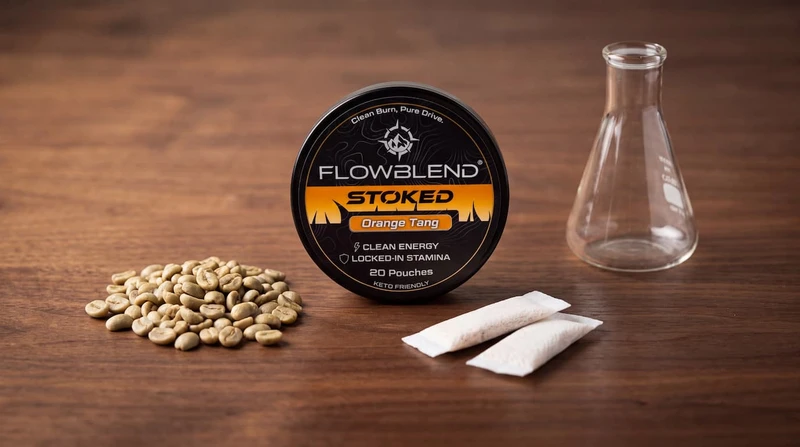
- STOKED uses PurCaf at 25 mg per pouch. That is a sourcing choice. It is not a medical claim.
PurCaf vs synthetic caffeine?
Not a different drug. A different paperwork trail for the same stimulant.
1. Same molecule
Caffeine is caffeine: C8H10N4O2. It antagonizes adenosine receptors. That is why coffee, tea, an energy drink, a capsule, and a pouch can all put you back in the game.
Source does not rewrite that mechanism. Plant or lab, the receptor does not care. If something felt “smoother,” look at milligrams, what sits next to the caffeine, what else you already drank, and whether you slept. Not the word PurCaf.
2. What PurCaf is
PurCaf is a branded caffeine powder. Brands buy it in bulk and weigh it into a formula. The public spec is about 95 percent caffeine, pulled from unroasted green coffee beans with water. Not a roast. Not coffee flavor. Not espresso concentrated into a pouch.
On STOKED that is 25 mg. Tea-scale. We print the name because that is what went in. Organic is the farm side of the supply. Same caffeine.
If you wanted milligrams ranked against other tins, that list is best caffeine pouches. This page stays on source.
3. What synthetic caffeine is
Labs have made caffeine for a long time. The usual name on a panel is caffeine, or caffeine anhydrous. Anhydrous just means the water has been removed. It is still caffeine.
Pills use it. Energy drinks use it. A lot of pouches use it because it is inexpensive, consistent batch to batch, and easy to hit a round number. Synthetic caffeine still works. If the can prints a number, you got that number.
You cannot tell coffee-sourced from lab-made unless they print it. Most cans that use synthetic caffeine write “caffeine” and stop.
Tea caffeine is also plant caffeine. Same molecule, different plant. If a pouch names green tea or guarana, that is still a source story. If it names nothing, assume lab.
4. What the label actually tells you
Look at the caffeine line. Four common patterns:
- Named brand, like PurCaf. That is a source you can look up.
- Named plant, like green coffee, green tea, guarana. Still plant. Still caffeine.
- Caffeine or caffeine anhydrous, no plant. That is usually synthetic.
- A proprietary “energy blend” with no milligrams. That is a fog machine. Walk.
The rest of the can still matters — sugar, nicotine, what sits next to the caffeine — but those are other pages. This one is source.
5. What source does not change
It does not change half-life. It does not change the 400 mg daily ceiling most healthy adults use as a limit, not a target. It does not make a 4 p.m. pouch into morning caffeine.
Wear time for a pouch is still about 15 to 30 minutes. The lift after you spit is still caffeine in you. Duration lives on how long caffeine pouches last. Format vs a drink lives on caffeine pouches vs energy drinks.
The science behind the source split
Isolation vs synthesis
Green-coffee caffeine is isolated from the plant. Synthetic caffeine is built in a factory. The endpoint is the same structure. Food-grade caffeine, from either route, is used as a stimulant in foods and supplements. GRAS means the ingredient is allowed in food. It does not mean a pouch is a treatment.
Organic and non-GMO marks, when they exist, are about the supply chain. They are not a new drug.
We do not have a clinical trial that shows PurCaf outperforms caffeine anhydrous milligram-for-milligram on alertness, jitters, or sleep. We will not write one in a blog. Dose-matched caffeine is dose-matched caffeine in the literature we actually have — which is mostly coffee, tea, capsules, and drinks, not pouches.
PurCaf is not a green coffee diet pill
Search “green coffee” and you will hit extracts sold for chlorogenic acids and weight talk. That is a different product.
PurCaf is isolated caffeine. The coffee plant is the source. The job in the pouch is still caffeine. We do not sell a weight-loss extract. We do not pretend a named source is a new medicine.
Coffee flavor on a can is flavor. STOKED Coffee tastes like coffee because of flavor, not because we poured a mug into the pouch. You cannot taste PurCaf vs synthetic as a coffee note. PurCaf is made to be a neutral powder.
Clinical evidence (what transfers)
Caffeine’s effects on wakefulness, reaction time, and sleep are well described. Those effects scale with milligrams and timing. They do not scale with a brand name on the isolate.
L-Theanine next to caffeine is a different question — a pairing, not a source. STOKED prints 50 mg of L-Theanine with the 25 mg of PurCaf. That pairing has its own page: L-theanine and caffeine. If you wanted the rest of the formula around the caffeine, that is best energy pouches.
Who actually cares about source
- You want origin on the can. Named ingredient, look-uppable. That is a real preference.
- You want organic paperwork. Farm-side, not receptor-side.
- You want the cheapest bump. Synthetic caffeine usually wins on cost. Fine, if the milligrams are printed.
- You think natural means gentler. That is the story we are not selling.
The real-world impact
Reading two pouches side by side
If both print 25 mg, the source line is not why one will feel like tea and the other like a dare. Look at the number, then at what else is in the pouch, then at what you already drank.
If one prints 25 mg and the other prints 100 mg, you already know which hour will be louder. Source is a footnote.
Jitters, sleep, stacking
Those track how much you took, when, and tolerance. Count coffee, drinks, and the tin as one pile. Most healthy adults keep that pile under 400 mg a day. This is not medical advice. If you are pregnant, sensitive to caffeine, or managing a condition, talk to someone with a license.
When synthetic is the honest pick
You wanted a bump. You do not care if a coffee plant was involved. You are shopping a stimulant, not a name on the lid. That is a real product. A lot of pouches are that product.
When the named source is the point
You want the origin printed. You already drink coffee and you like knowing this one started as a bean too. You want a measured bump, not another 16 ounces.
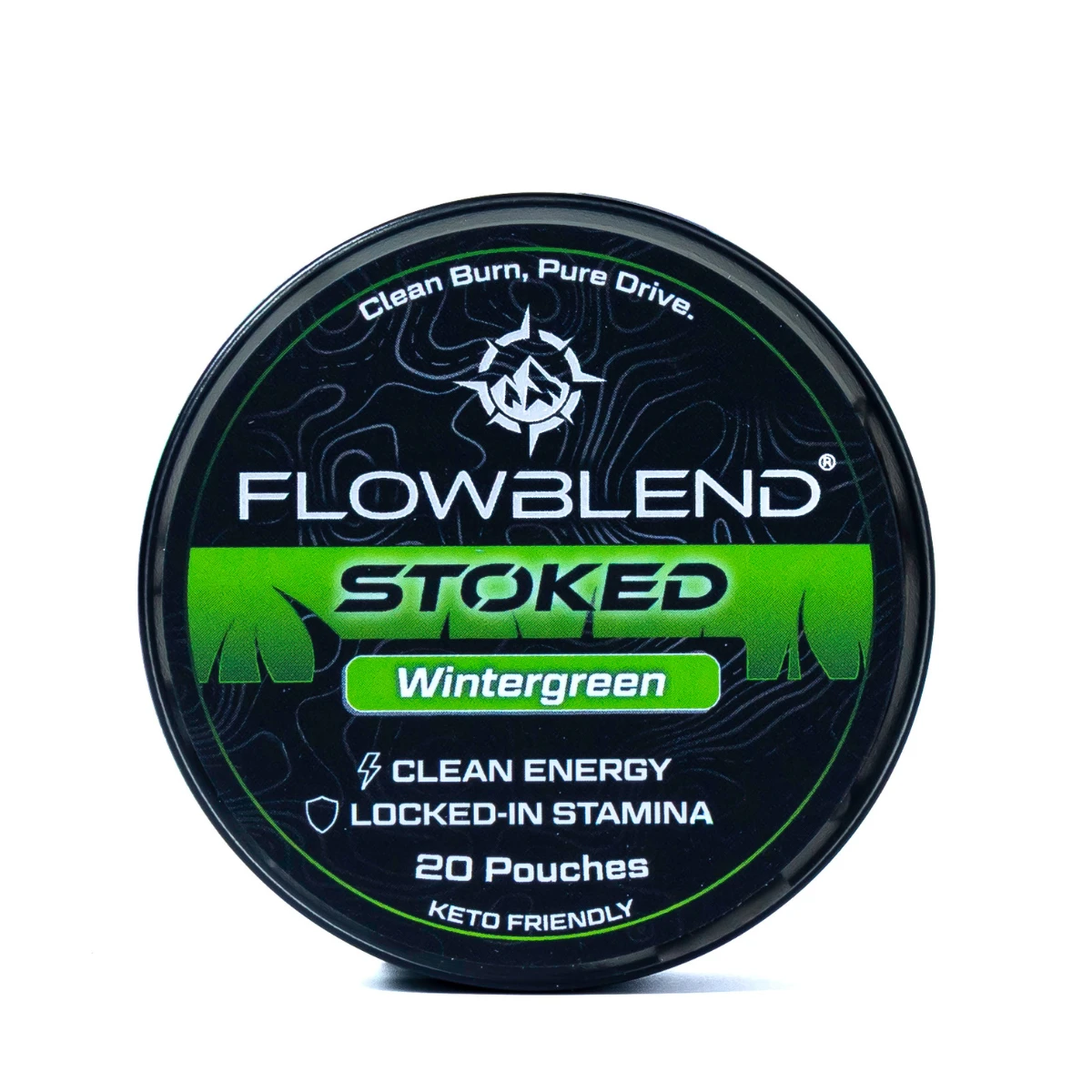
That is STOKED. We make it, so take the house pick with salt. Twenty pouches. Sugar-free. Orange Tang, Coffee, Spearmint, Wintergreen, Cinnamon. $9.95. Shop it at energy pouches. FlowBlend pouches are a nicotine alternative. No nicotine. This page is caffeine source, not a quit kit.
Tuck and spit is how to use energy pouches.
Finding a caffeine source
Caffeine is not a food you dose like salmon. It is coffee, tea, drinks, capsules, or a pouch. Quality here means the milligrams are real and the name, if they print one, is real.
What to look for
- Actual caffeine milligrams per serving, not a blend with no number
- A named source if source is why you came (PurCaf, green coffee, green tea, guarana)
- Third-party testing if you are paying for a story about purity
- Nicotine, if any — FlowBlend pouches have none
You are not going to eat your way to a 25 mg research-style dose from unlabeled “coffee foods.” Drink coffee or use a labeled product.
Beyond the isolate
Dose and timing
Source is not the main lever. Dose is. Time of day still wins. A pouch at 4 p.m. is still caffeine at bedtime. Same rule as coffee.
What sits next to it
Theanine, sugar, taurine, a 16-ounce liquid — those change the hour more than PurCaf vs anhydrous. Stay on this page for source. Use the other URLs for format and pairing.
Sleep
No isolate, plant or lab, is a substitute for sleep. Caffeine borrows against tonight. That is true for both sources.
A personal perspective
My journey
I look at caffeine the way I look at anything we put in a pouch: what is it, how many milligrams, can we name the source, what would we have to print. We use PurCaf because we wanted a named, organic, green-coffee isolate at 25 mg — a number you can stack or skip. We did not pick it because we had a trial showing it outperforms anhydrous at the receptor.
I have not blinded myself on PurCaf versus a generic anhydrous pouch at the same milligrams. I would not trust a vibe if I had.
Realistic expectations
If you switch from a synthetic caffeine pouch to PurCaf at the same milligrams, do not expect a new personality. Expect the same stimulant with a different line on the label. If the hour feels different, look at the rest of the formula and the rest of the day.
The holistic view
Caffeine hygiene is milligrams, clock time, and sleep. Source is a sourcing preference. It has not earned a mystique.
Conclusion
PurCaf vs synthetic caffeine in pouches is a source split, not a different drug.
Same molecule. Green coffee or a lab. The label is where you see it. The adenosine receptor is where you feel it, and that feeling tracks dose and timing.
If you want the named isolate in a pouch, that is STOKED. If you only wanted milligrams, print them and count them — whatever name is on the line.
FAQ
Frequently Asked Questions
What is PurCaf?
A branded caffeine powder from green coffee beans. About 95 percent caffeine. Named. STOKED uses it at 25 mg per pouch.
Is PurCaf the same as caffeine?
Same molecule. Different source. Coffee plant vs lab.
Is PurCaf the same as green coffee extract?
No. Green coffee extracts sold for chlorogenic acids are a different product. PurCaf is isolated caffeine.
Is synthetic caffeine worse?
It works. It is usually cheaper. It is usually unlabeled as to source. We do not call it unsafe. We do not call PurCaf a medicine.
Does the source change how a pouch feels?
Not in a way we will invent here. Dose, what else you already had, and what is printed next to the caffeine will change the hour more than the word PurCaf will.
Can you taste PurCaf vs synthetic?
Not as a coffee note. PurCaf is made to be a neutral powder. Coffee flavor on a pouch is flavor, not the caffeine source.
Does STOKED use synthetic caffeine?
No. STOKED uses PurCaf. L-Theanine sits next to it at 50 mg.
Do FlowBlend energy pouches have nicotine?
STOKED does not. FlowBlend pouches are a nicotine alternative.
Written by Nate, founder of FlowBlend. We make the pouches named on this page. Doses and ingredients were checked against the printed can. This is not medical advice.