Mushroom Pouches: The Complete 2026 Guide to What They Are, What They Do, and What Actually Works
By Nate, Founder of FlowBlend — Kalispell, Montana · Last updated April 2026 · 18 min read
You typed "mushroom pouches" into Google. So either you're curious, you're quitting nicotine, or you're tired of your fourth coffee giving you that jittery feeling and you want a calmer way to stay sharp.
Fair. That's what mushroom pouches are sold for.
Here's what nobody else is telling you. Most of what's on the market is a ritual product dressed up as a performance product. There's real science behind functional mushrooms. There's very little of that science — in effective, research-backed doses — inside most of the pouches being sold right now.
This is the guide I wish existed when I started building performance pouches in Montana back in 2020. I make cannabinoid and nootropic pouches — not mushroom ones. That means I have no stake in selling you on mushrooms. It also means I can tell you the truth about them without pulling punches.
By the time you're done reading, you'll know:
- What's actually inside a mushroom pouch
- What each mushroom does, and doesn't do, at the dose a pouch delivers
- How to spot a real mushroom pouch brand from a label-only one
- When a mushroom pouch is the right tool — and when a cannabinoid or nootropic pouch hits harder for the job you're trying to get done
Let's get to it.

What Are Mushroom Pouches?
A mushroom pouch is exactly what it sounds like. A small fabric pouch, similar in shape and size to a nicotine pouch, filled with functional mushroom extract and a few carriers to hold it together and make it taste like something.
You park it between your gum and your upper lip. The mushroom extract releases through your saliva and absorbs through the tissue in your mouth. That's called buccal absorption. It skips the slow path through your stomach and liver, which is why the effects — if there are measurable effects — show up faster than swallowing a capsule.
The format isn't new. Nicotine brands like Zyn built the entire category. Then came caffeine pouches. Then CBD pouches. Mushroom pouches are the latest variation on the same trend: pouch delivery for people who don't want to smoke, drink, or swallow their supplements.
The brands on the market right now
- Flow Pouches. Lion's mane, cordyceps, reishi, theacrine, and B12. Five flavors. Recommends 4–6 pouches per day.
- Fully Loaded Alpha. Lion's mane, cordyceps, chaga. Multiple flavors. 15 pouches per can.
- A rotating cast of Amazon-only brands with seasonal formulas.
The category is small but growing fast. The functional mushroom market is worth around $12 billion in 2025 and is projected to pass $20 billion by 2031. Pouch format is a tiny slice of that — but it's the fastest-growing slice, because pouches are how a lot of people are stepping away from nicotine.

The 5 Mushrooms Inside Most Mushroom Pouches
Most articles stop here, list the mushrooms with a paragraph of wellness-blog copy about each one, and call it a day. I'm going to tell you what each one actually does, what the research dose looks like, and how that compares to what fits in a pouch.
Lion's Mane (Hericium erinaceus)
Lion's mane is the headliner of the functional mushroom world. It's a white, shaggy mushroom that looks like — you guessed it — a lion's mane. It's famous because it contains two compounds, hericenones and erinacines, that may stimulate Nerve Growth Factor production in the brain. That's the mechanism every cognitive claim rides on.
Does it work? Probably, at the right dose, over the right time.
Research dose: 500–1,000 mg of concentrated fruiting body extract per day, taken consistently for 8–12 weeks. A 2024 systematic review in Nutrients analyzed 12 randomized controlled trials and reported roughly 15% cognitive improvement in adults aged 50–80 at doses of 1,000–3,000 mg per day.
What's in a mushroom pouch: Usually undisclosed. When you back-calculate from product labels that list total extract content, you're looking at 20–50 mg of lion's mane per pouch. At 4–6 pouches per day, that's 80–300 mg daily. Roughly 10–30% of research dose.
What it means for you: Lion's mane at pouch-format dosing is a ritual, not a cognitive intervention. If you want an actual cognitive effect from lion's mane, buy a concentrated capsule. If you want a cognitive effect you can feel within an hour, you need a nootropic with a different mechanism — Alpha-GPC at 150 mg, for example, works on acetylcholine availability and hits faster.
Cordyceps (Cordyceps militaris)
Cordyceps is the energy mushroom. It contains cordycepin, which may support ATP production — how your cells make fuel. Athletes use it for endurance. People use it for morning energy without caffeine.
Research dose: 1.5–3 grams per day. A 2025 study in the Journal of Functional Foods showed a 22% improvement in working memory accuracy at 1.5 g daily for 4 weeks.
What's in a mushroom pouch: Tens of mg per pouch. You're not hitting research dose unless you're eating half a can a day.
What it means for you: If you want clean energy, a pouch with a measured 25 mg of caffeine and 50 mg of L-theanine will outperform any cordyceps pouch on the market. Not because cordyceps doesn't work — the research says it does — but because the effective dose doesn't fit in a mouth pouch.
Reishi (Ganoderma lucidum)
Reishi is the calm mushroom. Traditional Chinese medicine has used it for thousands of years for stress and sleep. Modern research is still early but promising. It contains triterpenes that may modulate stress response and support immune function.
Research dose: 500–1,000 mg of dual-extract per day, typically taken in the evening.
What's in a mushroom pouch: Small amounts. Usually blended with lion's mane and cordyceps rather than featured at any meaningful standalone dose.
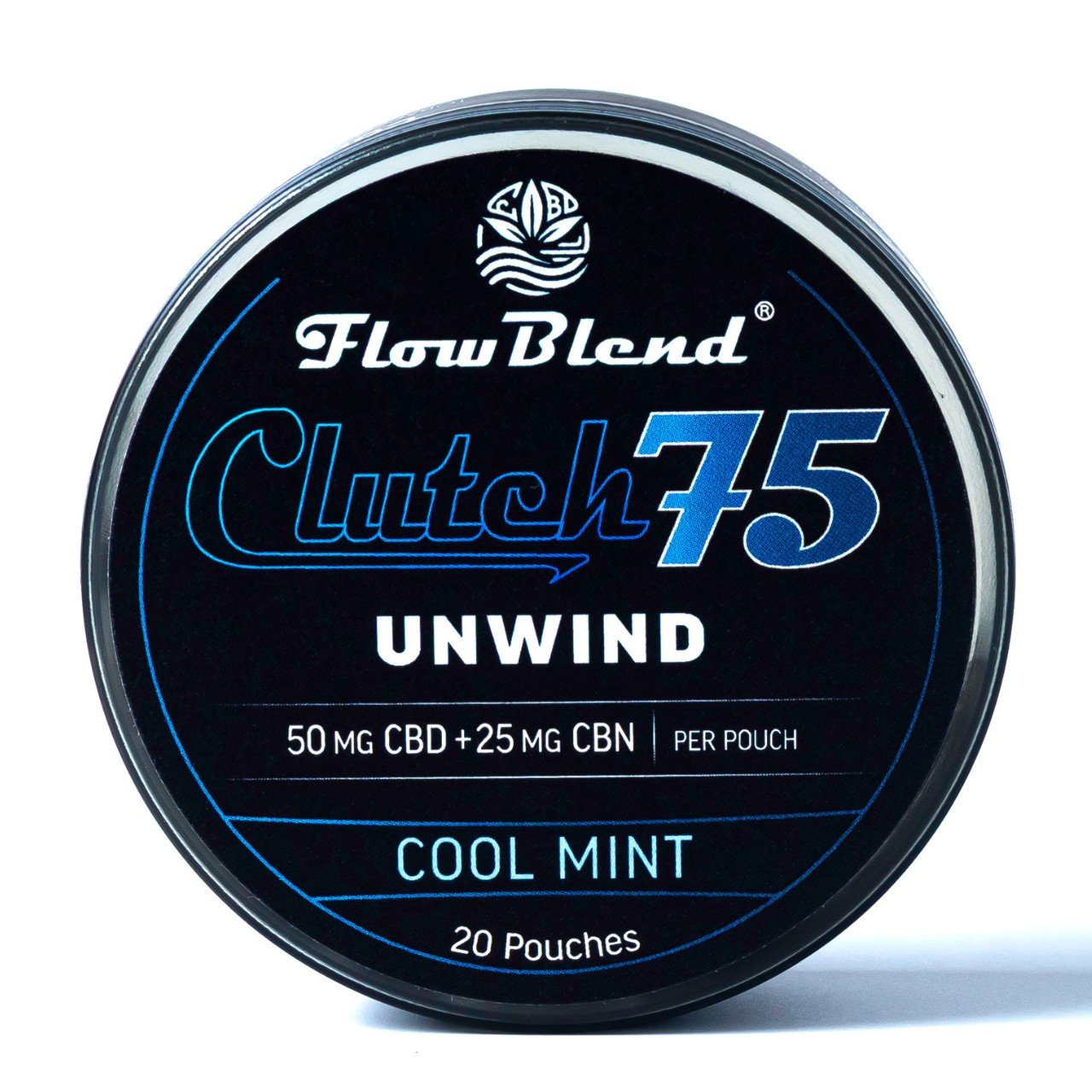
What it means for you: If evening calm is what you're after, reishi in a pouch is a placebo-adjacent ritual. A measured 50 mg CBD + 25 mg CBN pouch hits a different — and harder — mechanism. Reishi winds you down over weeks. Cannabinoids wind you down in minutes.
Turkey Tail (Trametes versicolor)
Turkey tail is the immune mushroom. It contains PSK and PSP compounds that have been studied as adjuncts to cancer chemotherapy in Japan and Korea. It's medically serious in certain clinical contexts. That's not what a consumer pouch is doing.
Research dose: 1–3 grams per day of hot-water extract standardized to beta-glucans.
What's in a mushroom pouch: Almost nothing relative to research dose.
What it means for you: If you care about immune support, a turkey tail pouch is not going to move the needle. Eat the actual mushroom, or take a real capsule.
Chaga (Inonotus obliquus)
Chaga is the antioxidant mushroom. It grows on birch trees in cold climates. It's high in melanin and beta-glucans. The research is thinner than the other four — lots of lab studies, fewer human trials.
Research dose: Unclear. Most studies use 500 mg to 2 g of extract.
What's in a mushroom pouch: A minor note in a blend, if it's present at all.
What it means for you: Chaga in a pouch is a branding ingredient. Looks good on the label. Does very little at pouch dose.
The Dosing Reality Check
Here's the math nobody is showing you.
Flow Pouches' Amazon listing advertises 600 mg of total mushroom extract per can. One can is 20 pouches. That's 30 mg per pouch, split across lion's mane, cordyceps, and reishi.
Their recommended use: 4–6 pouches per day.
At 6 pouches per day, you're getting 180 mg of total mushroom extract. Split three ways, that's roughly:
- 60 mg of lion's mane per day
- 60 mg of cordyceps per day
- 60 mg of reishi per day
Now the gap:
At $30 per can, hitting research dose on any single mushroom in a pouch would cost $500+ per day.
This isn't a Flow Pouches problem specifically. It's a format problem. Mushroom extract is physically bulky — it takes a lot of milligrams to produce a measurable effect. Pouches are small. The physics don't cooperate.
So what are mushroom pouches actually doing?
Three things, honestly.
- Oral fixation replacement. You park a pouch where a chew or a nicotine pouch used to go. The habit gets a new home. This is real, and it's genuinely useful if you're quitting nicotine.
- Flavor and saliva response. Mint, citrus, wintergreen in the mouth feels like something. That's a legitimate brief reset — same reason people chew gum during meetings.
- Placebo. Expectations are powerful. If you believe a pouch is sharpening your focus, mild improvement feels real, even when the dose is too low to explain pharmacologically.
None of that is a knock. Rituals have value. Oral habit replacement is genuinely helpful for people quitting nicotine. But if you bought a mushroom pouch expecting a cognitive intervention, you probably didn't get one — and nobody told you why.
Now you know why.
How to Evaluate a Mushroom Pouch
If you still want to try one — and plenty of people reasonably do — here's what to look for.
1. Does the label list mg of each mushroom separately, or is it a "proprietary blend"?
Proprietary blends hide the fact that most of the weight in a pouch is carrier material, not active ingredient. Real products put milligrams on the label. Vague labels are a tell.
2. Fruiting body vs. mycelium
Most research on functional mushrooms is done on the fruiting body — the actual mushroom you'd recognize in the wild. Mycelium is cheaper to grow but doesn't have the same compound profile. Good brands disclose. Sketchy brands don't.
3. Third-party testing for heavy metals and purity
Mushrooms bioaccumulate heavy metals from their growing environment. If the pouches are made overseas without third-party testing certificates, you're taking someone's word for it. Ask the brand directly. Look for the COA.
4. Beta-glucan standardization
Beta-glucans are the compounds responsible for most of the immune and metabolic effects of functional mushrooms. Serious supplement brands standardize their extract to ≥20% beta-glucans. Most mushroom pouches don't disclose beta-glucan content at all. That's information they're choosing not to share.
5. Where it's made
Mushroom cultivation is sensitive to growing conditions, water quality, and air pollution. Some brands are open about overseas manufacturing. Others bury it. Read the fine print. "USA-owned" does not mean "made in the USA."
6. What's NOT in it
Added sugar, artificial sweeteners, artificial colors. Allulose and stevia are fine. Sucralose and glucose are lazy. Check the label.
Mushroom Pouches vs. Other Performance Pouches
Here's the category map, honest and uncluttered.
vs. Nicotine pouches (Zyn, On!, Velo)
Mushroom pouches are the obvious off-ramp from nicotine. Same form factor, same oral habit, no addictive stimulant. If you're quitting, mushroom pouches are a legitimate tool — not because of the mushrooms, but because of the ritual replacement.
That said, cannabinoid pouches (CBD, CBG, CBN) deliver a more noticeable calm-under-craving effect, because measured cannabinoid doses at 10–75 mg actually move the needle during withdrawal restlessness. A lot of ex-nicotine users end up stacking: mushroom pouch for the habit, cannabinoid pouch for the edge.
vs. Cannabinoid pouches (CBD, CBG, CBN)
Different tool, different job.
Mushroom pouches are a slow-build wellness ritual. Cannabinoid pouches are a fast-acting composure tool. You feel a 10 mg CBD pouch in 10–15 minutes. You might feel a mushroom pouch after 12 weeks of daily use.
Both can be true. Neither is better. They're not competing in the same race.
vs. Nootropic pouches (Alpha-GPC, Rhodiola, L-theanine)
Nootropic pouches can actually fit effective doses into the format — because the active ingredients are potent at milligram levels. A properly built nootropic pouch with 150 mg of Alpha-GPC hits clinical range. A mushroom pouch with 30 mg of lion's mane does not.
If you want focus you can feel within 30 minutes, a nootropic pouch wins. If you want long-arc cognitive support over months, a high-dose lion's mane capsule wins. A mushroom pouch sits in the awkward middle — not fast enough to feel, not concentrated enough to build.
vs. Caffeine pouches
Caffeine pouches do what they say on the tin: small dose of caffeine, fast hit, short duration.
Mushroom pouches don't compete — they're not stimulants. If you want clean energy, go caffeine plus L-theanine. If you want no-caffeine energy, a mushroom pouch isn't going to replace it. You're dealing with habit, not pharmacology.
Founder of FlowBlend
A Montana Craft Pouch Company

Ritual vs. Tool: The Frame That Makes Sense of This Whole Category
Here's the frame that cuts through the whole category.
Mushrooms are a ritual.
Cannabinoids are a tool.
A ritual is something you do daily, without expecting an immediate payoff. You meditate. You drink green tea. You take a multivitamin. Over time, maybe, you feel different. The practice is the point. Mushroom pouches fit this mold. You pop one because the habit is clean, the flavor is nice, and you trust the slow arc of daily functional mushroom use. That's a valid choice.
A tool is something you reach for when the moment demands it. You need focus for the next 90 minutes. You need calm before a hard conversation. You need to decompress before bed without a glass of bourbon you'll regret. You want a result you can feel, and you want it soon. Cannabinoid and nootropic pouches fit this mold. Measured dose. Measurable effect. Deployable on demand.
If you're shopping for a ritual, buy a mushroom pouch from a brand that's transparent about sourcing and dosing.
If you're shopping for a tool, you need something different. Not because mushrooms don't work — they do, at the right dose, over the right time. Because the pouch format can't deliver the mushroom dose that actually works.
Different mission, different equipment.
What FlowBlend Makes Instead (and Why)
I'm Nate. I built FlowBlend in Kalispell, Montana, in 2020, because every pouch I tried was either a candy-flavored nicotine knockoff or underdosed to the point of being a placebo with better branding.
FlowBlend doesn't make mushroom pouches. We make tools.


Frequently Asked Questions
Do mushroom pouches actually work?
Depends what "work" means. As oral fixation replacement for quitting nicotine: yes. As a daily wellness ritual with mild mood and focus support over time: probably, especially with 8–12 weeks of consistent use. As a fast-acting performance tool you feel within 15 minutes: no. The doses in most mushroom pouches are well below what research on functional mushrooms actually uses.
Are mushroom pouches safe?
Functional mushrooms like lion's mane, cordyceps, and reishi have long safety records when properly sourced. The risks come from cheap mushrooms grown in contaminated soil or air — which is why third-party testing and sourcing transparency matter. Check for heavy metal testing certificates before buying.
How many mushroom pouches should I take per day?
Most brands recommend 4–6 pouches per day. That's how the format is designed — because a single pouch is underdosed. Even at 6 per day, you're still well below research-validated mushroom doses, but the ritual effect is stronger with regular use.
Do mushroom pouches help you quit nicotine?
Yes, indirectly. They replace the oral habit. The mushrooms themselves don't do anything for nicotine withdrawal — the ritual replacement does. Cannabinoid pouches (CBD) can be more effective for the anxiety and restlessness side of quitting, because measured cannabinoid doses actually produce a noticeable calming effect.
What's the difference between mushroom pouches and nicotine pouches?
Nicotine pouches deliver nicotine, which is an addictive stimulant. Mushroom pouches deliver functional mushroom extract, which is non-addictive and non-stimulating. Same form factor, different active ingredients, different effects. Mushroom pouches are a legitimate quitting tool. They're not a nicotine replacement in the pharmacological sense.
Can I take mushroom pouches every day?
Yes. Functional mushrooms are generally considered safe for daily use. Some brands recommend cycling (5 days on, 2 days off) if you're sensitive or stacking multiple mushroom products at high doses.
Are mushroom pouches FDA approved?
No functional mushroom product is "FDA approved" — that term only applies to drugs. Mushroom pouches are regulated as dietary supplements under FDA guidelines, which means manufacturers are responsible for product safety but aren't required to prove efficacy before selling.
Do mushroom pouches show up on drug tests?
Standard functional mushrooms (lion's mane, cordyceps, reishi, turkey tail, chaga) don't contain psychoactive compounds and won't show up on drug tests. This is a completely different category from psilocybin mushrooms, which are not what's in any legally sold mushroom pouch.
What's the difference between lion's mane, cordyceps, and reishi pouches?
Lion's mane is marketed for focus and cognitive support. Cordyceps is marketed for energy and endurance. Reishi is marketed for calm and sleep. In practice, most mushroom pouches blend all three — which means each one ends up at a lower individual dose than a single-mushroom product would be.
Is a cannabinoid pouch better than a mushroom pouch?
Better for what? Cannabinoid pouches (CBD, CBG, CBN) deliver measured, fast-acting calm or composure effects within 15 minutes. Mushroom pouches deliver a slow-build wellness ritual. Different tools for different jobs. If you want something you can feel now, cannabinoid or nootropic pouches win. If you want a daily habit with long-arc mood support, mushroom pouches are a reasonable option.
The Bottom Line
Mushroom pouches aren't a scam. They're also not what most people think they're buying.
They're a ritual product in a category full of people shopping for performance tools. If you wanted a ritual, you got the right thing. If you wanted a tool, now you know where to look.
The pouches we make don't have mushrooms in them. They have measured doses of cannabinoids, nootropics, and clean stimulants — the stuff that actually fits the format and delivers what the label says it delivers.
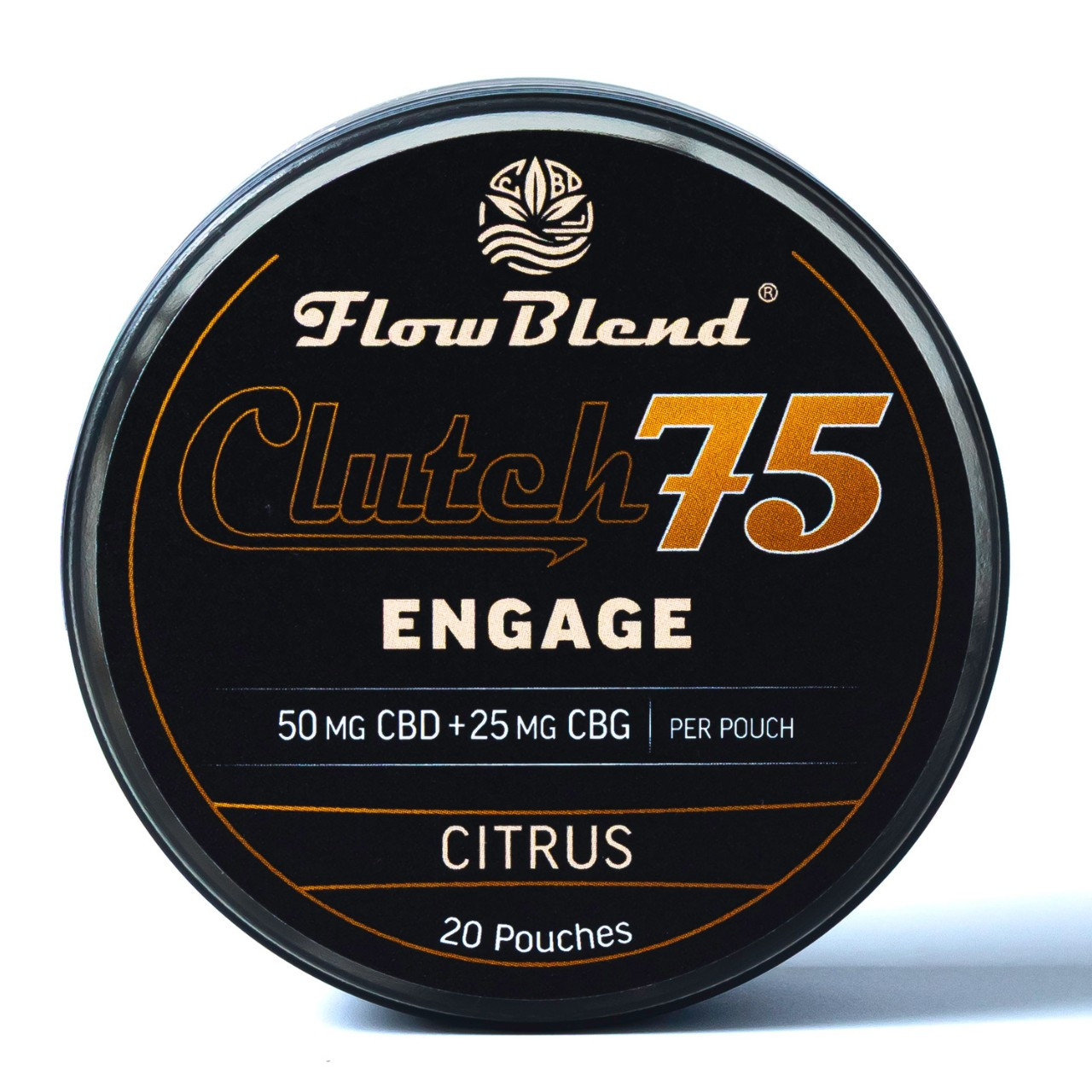
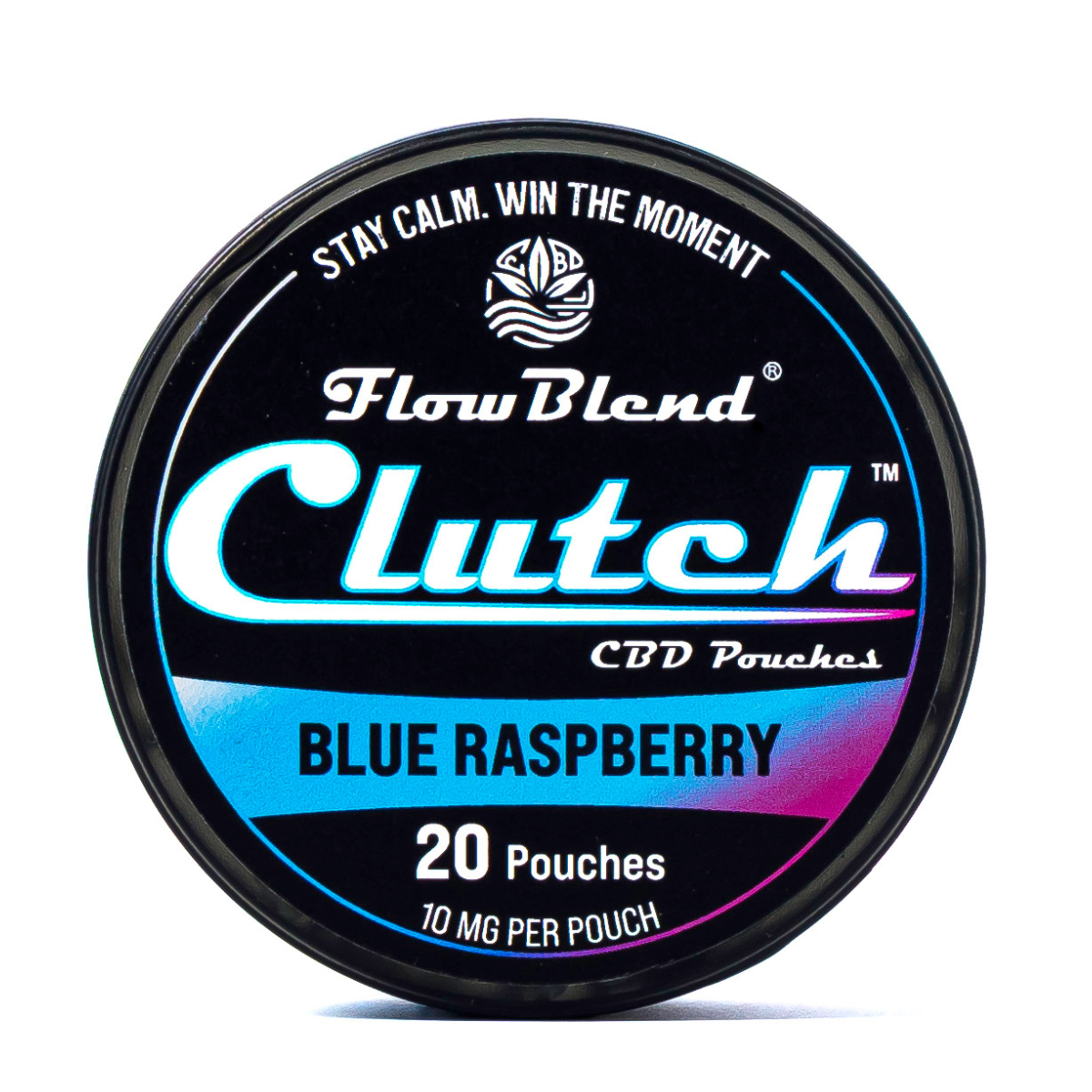
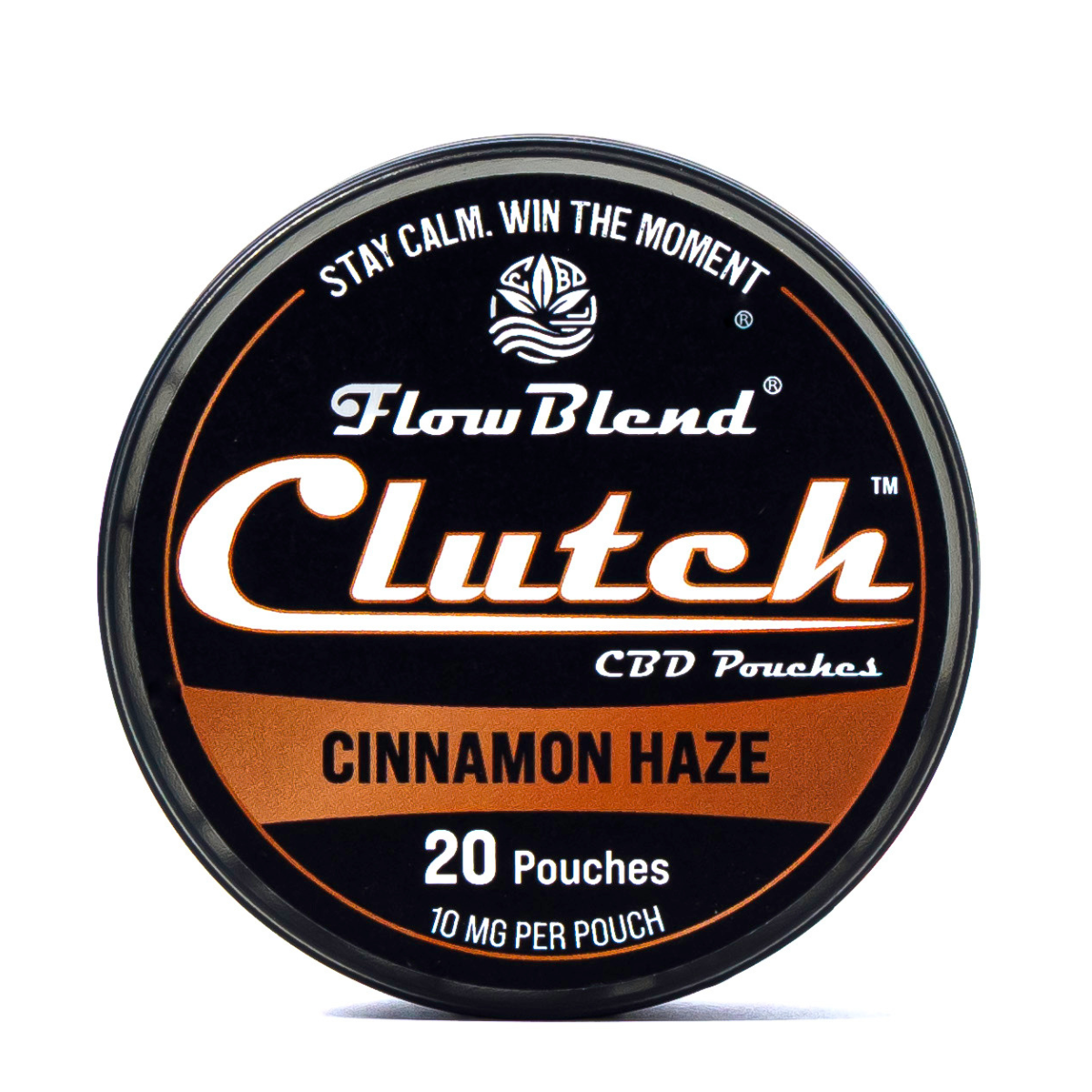
If that sounds more like what you were looking for, check out CLUTCH and CLUTCH 75, SPEAR, and STOKED, or shop the full lineup. Built in Montana. Built to be felt.
Either way — win the moment.
About the Author
Nate is the founder of FlowBlend, a craft performance pouch company based in Kalispell, Montana. He started FlowBlend in 2020 after years of searching for a pouch that was neither a nicotine knockoff nor an underdosed placebo. FlowBlend makes CLUTCH (calm), CLUTCH 75 (high-potency calm), SPEAR (nootropic focus), and STOKED (clean energy) — all made in the United States, third-party tested, and transparently dosed.
RELATED READING