
Mushroom Pouches
Chaga Pouches: Antioxidant Claims vs. Real Performance Tools
By Nate, founder of FlowBlend
The Short Version
Chaga is the one mushroom in this series where we cannot even argue about the dose — because there are no solid human trials to take a dose from. The antioxidant numbers come from test tubes, not people. There is also a documented safety footnote at high intakes that almost no chaga brand mentions. A chaga pouch is a woodsy ritual, nothing more. If you came here with an actual goal — focus or calm — there are tools with disclosed doses that earn their spot.
What Chaga Is
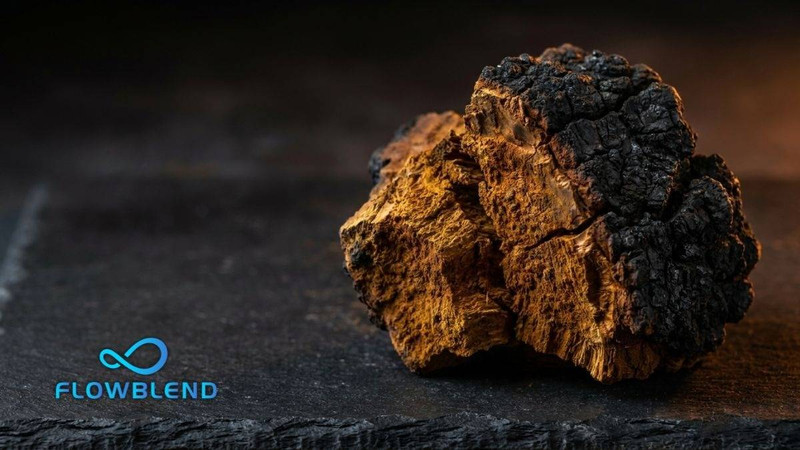
Chaga (Inonotus obliquus) is not the polite shelf mushroom its Instagram photos suggest. It is a charred-looking black mass that grows on birch trees in cold climates — Siberia, Canada, northern Scandinavia, and yes, Montana's neighbors. Folk traditions brewed it as tea for centuries.
What makes chaga interesting to chemists is its load of melanin, polyphenols, and triterpenes from the birch it feeds on. What makes it interesting to marketers is one phrase: "antioxidant powerhouse." You will see ORAC scores, "highest antioxidant food on earth" graphics, and now chaga pouches promising cellular defense in your lip.
Time to look at where those claims actually come from.
The Antioxidant Claim, Examined
The chaga antioxidant story is built almost entirely on in-vitro work — test tubes and cell cultures. Grind chaga, expose it to free radicals in a dish, measure the reaction. By that method, chaga scores high. So do coffee grounds, cloves, and dark chocolate.
Here is the problem: a test-tube antioxidant score tells you close to nothing about what happens in a human body. Digestion, absorption, and metabolism rewrite the whole equation. The supplement industry leaned on ORAC scores so hard that the USDA removed its ORAC database years ago, citing exactly this misuse.
And human trials? For lion's mane we had small human studies to argue about. For cordyceps, a real exercise trial. For reishi, an eight-week fatigue study. For chaga, there is essentially nothing — no published human clinical trials establishing a benefit or even a working dose. The entire consumer category runs on dish data and folklore.
That makes the usual pouch math impossible to run, which is its own verdict. With lion's mane we could say "the research used 1,000-3,000 mg and the pouch has 100." With chaga, there is no research dose to fall short of.
The Safety Footnote Nobody Mentions
One more thing belongs in an honest chaga article, because almost nobody selling chaga includes it.
Chaga is extremely high in oxalates — the same compounds behind most kidney stones. The medical literature contains published case reports of kidney injury (oxalate nephropathy) in people who consumed large amounts of chaga powder daily — in documented cases, in the range of 10-15 grams a day for months.
To be fair to the pouch format: a 100 mg pouch is one one-hundredth of that intake, nowhere near case-report territory. This is not a "chaga pouches will hurt you" warning. It is a category-honesty point: the "more is better" logic that mushroom marketing encourages has a real ceiling with chaga, and the brands pushing chaga powder by the scoop rarely say so. If you have a history of kidney stones, this is one to run past your doctor.
A supplement with no human efficacy data and a known reason not to megadose is a strange thing to build a daily habit around.
The Sourcing Problem Behind the Story
Chaga has one more wrinkle the marketing leaves out: unlike lion's mane, cordyceps, or reishi, real chaga is barely farmed. The conk takes years — often decades — to develop on a living birch, and the compounds the sales pages brag about come partly from the birch itself. Lab-grown chaga mycelium does not replicate that chemistry, so most legitimate chaga is wild-harvested.
That means the chaga boom is strip-mining a slow-growing wild fungus to fill products that have no human evidence behind them. Harvesters in Siberia and northern Canada are working through accessible birch stands faster than conks regrow. Even if you set aside everything else in this article, "unverified benefit, finite wild supply" is a rough trade.
And on the product side, it creates the usual two-tier market: honest brands selling expensive wild-harvested extract, and the typical brand selling cheap mycelium-on-grain powder under the same forest photography. At pouch scale, you cannot taste the difference, and the label rarely admits it.
The Honest Verdict
A chaga pouch is a ritual. It tastes like the forest floor in a way some people genuinely enjoy, it keeps the mouth busy, and it carries a nice story about Siberian winters. As a replacement for a nicotine tin, it is a clear upgrade. Nothing wrong with any of that — rituals are how habits get rebuilt.
But "antioxidant support" on a chaga pouch label is a claim with no human evidence under it at any dose, let alone at 100 mg. You are buying the story. The typical brand in this category is counting on you not to check — because the story is good, the photos are moody, and almost nobody asks where the human data is.
Mushrooms are a ritual. Tools are different: a tool has a disclosed ingredient, at a dose with human evidence behind it, aimed at a goal you can actually feel. So the right question is not "which mushroom?" It is "what is the goal?"
Match the Tool to the Job
Most people reaching for chaga are really reaching for one of two things — general sharpness or general steadiness. Both have better-built answers:
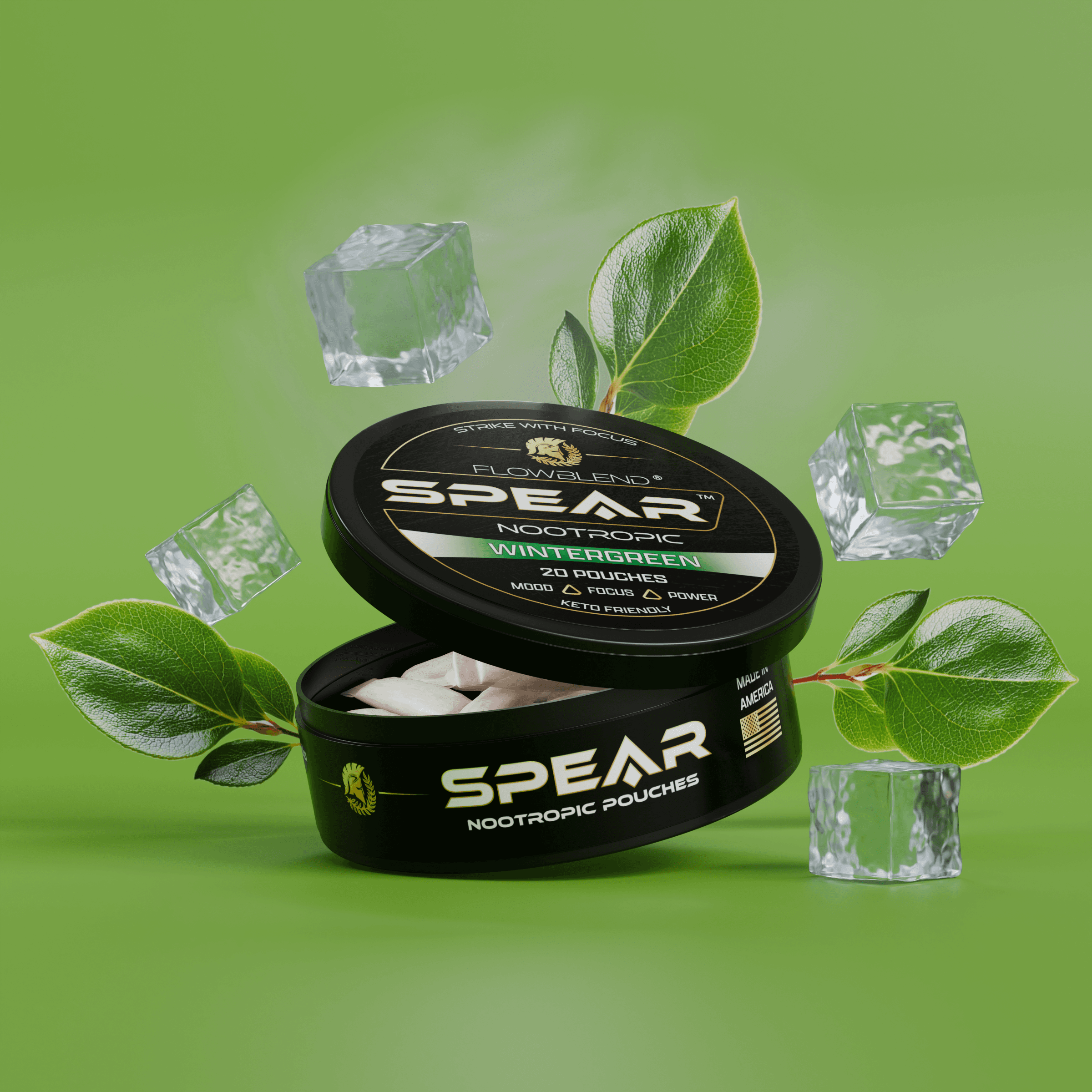
If the goal is focus: SPEAR nootropic pouches carry 150 mg of Alpha-GPC — the dose range used in cognitive research — plus Rhodiola, L-Theanine, and Uridine Monophosphate. First nootropic pouch in America, every milligram printed since 2021.
"There really is no buzz... I feel like my brain can make decisions better. Like I have more conscious control and I can get in the zone more casually. It's not voodoo magic and it's not a stimulant. It just allows your brain to function a bit better." — Dillon Lehman, verified review
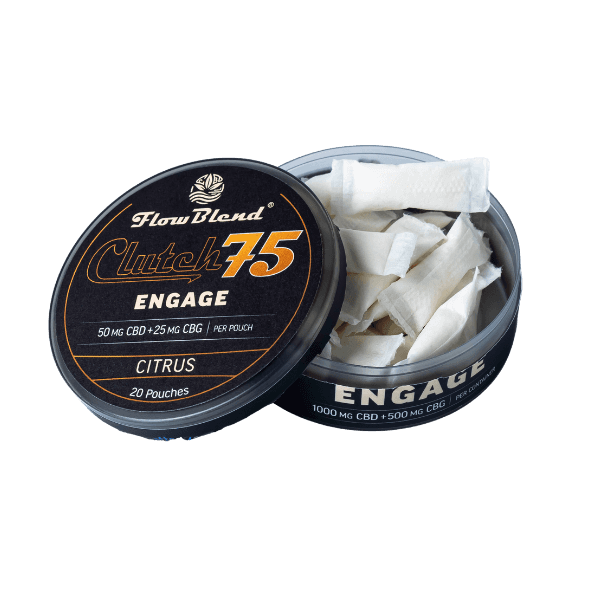
If the goal is calm: CLUTCH calm pouches carry a disclosed 10 mg of CBD, 20 pouches to a can, third-party tested — with CLUTCH 75 as the high-dose tier when the day earned it.
"Work is pretty stressful... so I popped a pouch in my mouth and it was smooth sailing from there. A few minutes later I felt a sense of relief." — Brandon V., verified review
If you are still mapping the category: the complete mushroom pouch guide runs this same honest audit on every major mushroom, and the full FlowBlend lineup lives at flowblend.com/shop.
FAQ
Do chaga pouches have antioxidant benefits?
The antioxidant claims for chaga come from test-tube studies, not human trials. There are no published human clinical trials establishing a benefit or working dose for chaga at any amount — including the roughly 100 mg in a typical pouch.
Is chaga safe?
At pouch-level amounts, chaga is unlikely to cause problems for most people. But chaga is very high in oxalates, and medical case reports document kidney injury in people consuming 10-15 grams of chaga powder daily for months. If you have a history of kidney stones, talk to your doctor before using chaga regularly.
What is chaga supposed to do?
Folk traditions brewed chaga tea as a general tonic, and lab studies show high in-vitro antioxidant activity. Neither translates into demonstrated effects in people. The honest answer is: nobody has shown what chaga does in humans, at any dose.
Why is there no research dose for chaga?
Because the human trials have not been done. Unlike lion's mane, cordyceps, or reishi — which have at least some human studies at gram-level doses — chaga's evidence base is in-vitro and animal work.
What should I use instead of chaga pouches?
Depends on the goal. For focus, SPEAR carries 150 mg of disclosed Alpha-GPC per pouch. For calm, CLUTCH carries 10 mg of CBD, third-party tested. Both print every milligram on the can.
Related Reading
- Mushroom Pouches: The Complete 2026 Guide — the pillar guide to the whole category
- Lion's Mane Pouches: Do They Actually Work? — the dose math applied to the focus mushroom
- Turkey Tail Pouches: Immune Ritual or Overhyped Supplement?
Nate is the founder of FlowBlend.