
In recent years, brain supplements have become increasingly popular for boosting memory, focus, and mental sharpness. These products promise to help us think more clearly, stay focused, and even lift our mood. From students to busy professionals and older adults, people are curious about whether brain supplements actually work.



Key Takeaways:
Brain Supplements Defined: Brain supplements, or nootropics, are designed to support memory, focus, and mental clarity through various natural and synthetic ingredients.
Benefits and Effectiveness: Some brain supplements may offer cognitive benefits, but results vary, and they work best alongside a healthy lifestyle.
Choosing Wisely: Selecting a brain supplement involves knowing your cognitive goals, checking ingredients, and ensuring quality through third-party testing.
How Do Brain Supplements Work?
Brain supplements work by combining ingredients that target specific aspects of mental function. Here are some common ways they aim to support brain health:
Boosting Blood Flow To The Brain
Many brain supplements include ingredients that improve blood flow, which ensures that oxygen and nutrients reach brain cells more effectively. This increased circulation can support focus, alertness, and mental clarity. Enhanced blood flow may also reduce brain fog, helping you think more clearly.
Supporting Neurotransmitter Production
Neurotransmitters are the chemicals that allow brain cells to communicate, affecting everything from mood to concentration. Some supplements include ingredients that promote the production or balance of neurotransmitters like dopamine and serotonin. This support can lead to a more balanced mood and sharper cognitive function.
Protecting Brain Cells From Damage
Many brain supplements contain antioxidants, which help defend brain cells from oxidative stress caused by free radicals. Oxidative stress can contribute to memory loss and other cognitive issues over time. By protecting brain cells, antioxidants may support long-term brain health and slow cognitive aging.
Reducing Mental Fatigue
Ingredients that reduce mental fatigue can help you stay focused and alert, especially during prolonged tasks. These ingredients may support energy levels by promoting efficient energy use within brain cells. Reduced mental fatigue allows for better productivity and concentration throughout the day.
Supporting Memory And Learning
Some compounds are specifically chosen for their role in supporting memory formation and recall. These ingredients can help make it easier to learn new information and access it when needed. Improved memory function can be beneficial for people in school, at work, or anyone looking to keep their mind sharp.
Common Ingredients In Brain Supplements And Their Benefits
Brain supplements often contain a variety of ingredients, each chosen for its potential to support different aspects of cognitive function. Here’s a look at some of the most common ingredients and the specific benefits they’re believed to offer:
Ginkgo Biloba
Ginkgo Biloba is a popular herbal ingredient known for its ability to enhance blood flow to the brain. It is often used to improve memory and mental clarity. Some studies suggest that it may help slow cognitive decline in older adults, making it a common choice for those seeking long-term brain health.
L-Theanine
Found naturally in green tea, L-theanine is known for its calming effects without causing drowsiness. It’s often paired with caffeine in brain supplements to promote focus, relaxation, and reduced anxiety. Many people find it helps with sustained attention and stress reduction.
Rhodiola Rosea
Rhodiola Rosea is an adaptogen, which means it helps the body manage stress by balancing cortisol levels. This ingredient is known to reduce fatigue and improve endurance, helping users stay mentally energized during demanding tasks. Additionally, it can enhance mood, making it useful for those who face stress-related focus issues or mental burnout.
Alpha GPC
Alpha GPC is a compound that supports memory and learning by increasing acetylcholine levels, a neurotransmitter essential for cognitive function. This boost in acetylcholine can enhance memory recall, mental clarity, and focus, making it useful for both short-term tasks and long-term brain health. Alpha GPC is also studied for its potential in protecting against age-related cognitive decline.
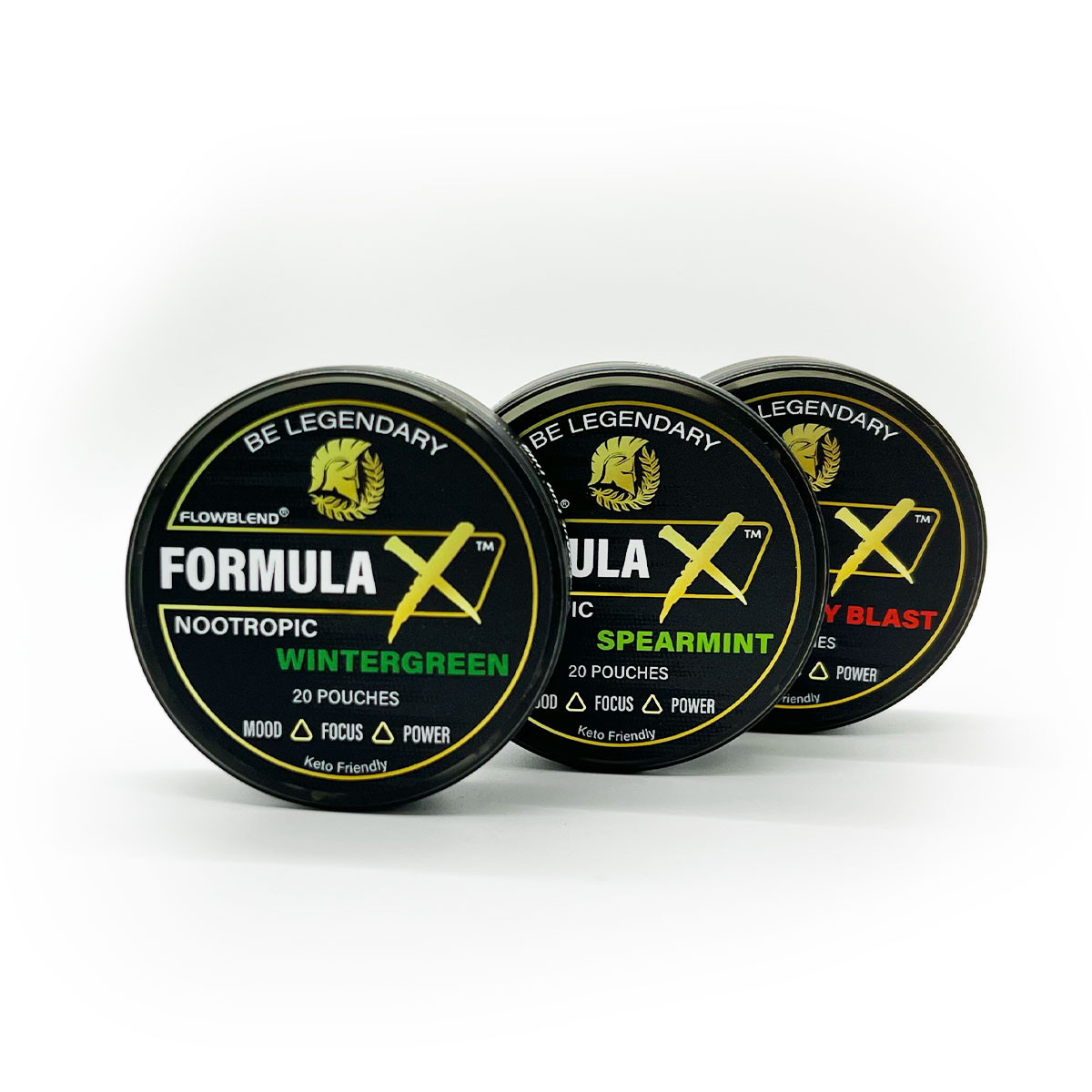
Elevate Your Mind With FlowBlend’s Formula X Brain Supplement Pouches
At FlowBlend, we know that mental clarity, focus, and memory are essential for achieving your full potential. That’s why we developed Formula X Nootropic Pouches—a premium brain supplement designed to help you stay sharp, focused, and ready for anything.
Memory Enhancement with Alpha GPC: Alpha GPC promotes memory retention and cognitive processing, making it easier to recall information and stay sharp throughout the day.
Steady, Long-Lasting Energy: Rhodiola Rosea combats fatigue and promotes sustained mental energy, helping you power through demanding tasks without feeling drained.
Relaxed Focus with L-theanine: L-theanine creates a calm, focused state of mind, helping reduce stress and distractions so you can concentrate deeply on your tasks.
Quick, Effective Absorption: Formula X’s buccal and sublingual absorption offers rapid effects, giving you an immediate brain boost when you need it most.
Well-Balanced Cognitive Support: Specifically formulated to enhance mental clarity, focus, and memory, Formula X is the ideal brain supplement for anyone looking to boost their cognitive edge.
FlowBlend’s Formula X Nootropic Pouches are more than just a brain supplement—they’re a smart, effective way to elevate your mental performance every day. Experience greater clarity, sustained focus, and enhanced productivity with Formula X, your partner for optimal cognitive health.

Potential Side Effects And Risks Of Brain Supplements
While brain supplements are generally considered safe for most people, they can come with potential side effects and risks, especially if used improperly or in high doses. Here are some common considerations and possible side effects:
Gastrointestinal Issues
Some brain supplements, especially those with herbal extracts like Ginkgo biloba and Bacopa Monnieri, may cause stomach upset, nausea, or digestive discomfort. To minimize these effects, it's often recommended to take supplements with food.
Sleep Disturbances
Ingredients like caffeine and Rhodiola Rosea, which can promote alertness and energy, may lead to insomnia or disrupted sleep if taken later in the day. Those sensitive to stimulants should look for stimulant-free options or use such supplements in the morning.
Headaches And Dizziness
Certain nootropic ingredients, particularly choline-based compounds (such as Alpha-GPC), can sometimes lead to headaches. In some cases, users report feeling dizzy or lightheaded after taking brain supplements, particularly at higher doses.
Allergic Reactions
People with allergies or sensitivities should be cautious with brain supplements, as they often contain various herbal extracts and compounds. Checking ingredient lists carefully is crucial, especially if you have known allergies to specific herbs or mushrooms, such as Lion’s Mane.
Interactions With Medications
Brain supplements can interact with certain medications, particularly blood thinners, antidepressants, and medications for high blood pressure. For instance, Ginkgo biloba may increase bleeding risk when combined with blood-thinning medications, and other supplements may alter blood pressure. It's essential to consult with a healthcare professional before starting any new supplement if you’re on medication.
Overuse And Tolerance
Over time, some people may develop a tolerance to certain brain supplements, particularly those containing caffeine or other stimulants. This can lead to reduced effectiveness and may even encourage higher dosages, which can increase the risk of side effects. Cycling supplements (using them for a period, then taking a break) can help manage tolerance.
Regulatory Concerns
The supplement industry is less regulated than pharmaceuticals, so quality and purity can vary widely among brands. Some products may contain undeclared ingredients or contaminants. Choosing supplements from reputable brands that undergo third-party testing can help mitigate these risks.
Who Should Consider Taking Brain Supplements?
Brain supplements may benefit certain individuals more than others, depending on their cognitive needs, lifestyle, and health status. Here are some groups who might consider incorporating brain supplements into their routine:
Students And Professionals With High Mental Demands
People in high-stress environments, like students or professionals who work in mentally demanding jobs, may benefit from supplements that support focus, memory, and stress resilience. Ingredients like Bacopa Monnieri, L-theanine, and Rhodiola Rosea can help improve concentration and manage stress, making them useful for those facing frequent cognitive challenges.
Older Adults Concerned With Cognitive Health
Cognitive function naturally declines with age, and older adults may experience memory lapses or slower processing speeds. Supplements containing ingredients like phosphatidylserine, DHA, and Ginkgo biloba are often marketed to support brain health in aging populations. Some studies suggest that these ingredients may help slow cognitive decline, making them appealing to those seeking long-term brain health support.
People With Poor Diets Or Nutritional Gaps
A well-rounded diet is crucial for brain health, but some people may struggle to get all the nutrients they need through food alone. Those who lack sufficient omega-3 fatty acids, B vitamins, or antioxidants might consider supplements to fill these gaps, particularly if they’re not regularly eating foods like fish, leafy greens, and whole grains.
Individuals Under Chronic Stress
Chronic stress can take a toll on the brain, impacting memory, focus, and emotional well-being. Certain brain supplements, like those containing adaptogens such as Ashwagandha or Rhodiola Rosea, can help the body better cope with stress. These ingredients may support mental clarity and emotional balance, making them beneficial for those under constant pressure.
People Seeking An Edge In Athletic Performance
Some athletes use brain supplements to enhance mental clarity and focus during training and competition. Supplements that promote energy and mental endurance, such as acetyl-L-carnitine and caffeine (often in combination with L-theanine), may support better reaction times and sustained concentration, which can be useful in high-stakes athletic events.
Choosing The Right Brain Supplement: Tips And Considerations
Selecting the right brain supplement can feel overwhelming, given the variety of options available. Here are some key tips and considerations to help you make an informed choice:
Identify Your Specific Needs
Different brain supplements cater to different goals—some are formulated for memory support, others for focus, and others for stress management. Before purchasing a supplement, consider what specific cognitive benefit you’re seeking, such as improved focus, reduced mental fatigue, or mood stabilization. Knowing your goals will help you narrow down ingredients that are best suited to your needs.
Check The Ingredient List
Look for reputable ingredients with scientific backing. Common ingredients like omega-3 fatty acids, Bacopa Monnieri, and Ginkgo biloba have been researched for their cognitive benefits. Avoid products with proprietary blends that don’t disclose exact ingredient amounts, as it’s difficult to know if you’re getting an effective dosage.
Consider Dosage And Formulation
For any supplement to be effective, dosage matters. Look for supplements with dosages that align with those used in clinical studies. Higher doses aren’t necessarily better and can increase the risk of side effects, so be mindful of formulations that seem overly potent. If you’re unsure, consult with a healthcare provider to determine appropriate dosages.
Look For Third-Party Testing
Since the supplement industry isn’t tightly regulated, third-party testing is a good indicator of quality and safety. Products that undergo independent testing are generally more reliable as they are verified for purity and potency. Look for seals from organizations like USP, NSF, or ConsumerLab.
Start Slowly
When trying a new brain supplement, it’s wise to start with a lower dose to see how your body responds. Some ingredients may take a few weeks to show effects, so it’s important to give the supplement time before increasing the dose. Gradual use also reduces the chance of experiencing side effects or adverse reactions.
Avoid Overlapping Ingredients
If you’re already taking multiple supplements, be cautious about overlapping ingredients, particularly stimulants like caffeine or adaptogens like Rhodiola. Too much of certain ingredients can lead to negative side effects or interfere with each other. Reading labels carefully can help you avoid unintentional ingredient duplication.
Consult A Healthcare Professional
Especially if you’re on medication or have pre-existing health conditions, it’s best to discuss any new supplement with your doctor. Some ingredients in brain supplements can interact with medications or exacerbate certain health conditions, so getting professional advice can help ensure safe use.
Frequently Asked Questions About Brain Supplements
Most brain supplements are safe for daily use when taken at recommended doses, but long-term use should ideally be monitored by a healthcare provider to avoid potential side effects.
Brain supplements can support focus, memory, and clarity, but they do not inherently make you smarter; they may help you perform better mentally, especially under stress or fatigue.
The effects vary by supplement and ingredient. Some, like caffeine, work within an hour, while others, such as Bacopa Monnieri, may take weeks of consistent use.
Yes, many brain supplements are caffeine-free and still effective. Ingredients like L-theanine, Bacopa Monnieri, and omega-3s offer cognitive benefits without stimulants.
Teenagers should be cautious with brain supplements. Some ingredients may be safe, but it's crucial to consult with a healthcare provider before use, as teens' brains are still developing.
Unlike energy drinks, which often rely on caffeine and sugar, brain supplements focus on long-term cognitive health, offering ingredients that support brain function without excessive stimulants.
Yes, brain supplements have expiration dates. Using expired supplements can reduce their effectiveness and may cause mild adverse effects, so it’s best to check and replace as needed.
Most brain supplements are non-addictive, but those containing caffeine or other stimulants may lead to dependency if used excessively. Always follow recommended dosages.
Sources
1. Malik, R., Sangwan, A., Saihgal, R., Paul Jindal, D., & Piplani, P. (2007). Towards better brain management: nootropics. Current medicinal chemistry, 14(2), 123-131.
2. Joshi Pranav, C. (2013). A review on natural memory enhancers (Nootropics). Unique Journal of Engineering and advanced sciences, 1(01), 8-18.
2. Malík, M., & Tlustoš, P. (2023). Nootropic herbs, shrubs, and trees as potential cognitive enhancers. Plants, 12(6), 1364.